Wondering what your Wyckoff home would actually sell for right now? If you are thinking about moving up, downsizing, or testing the market, a precise number matters. You want a valuation that reflects real buyer demand, your home’s unique features, and current conditions in Wyckoff. In this guide, you will learn how a market-ready valuation works, what drives price locally, the documents to prepare, and clear next steps to list with confidence. Let’s dive in.
Market-ready value, explained
A market-ready valuation is a pricing plan built for today’s market. It blends recent comparable sales, current inventory, and on-the-ground insights so you can choose a smart list price and strategy.
CMA vs appraisal vs AVM
- Comparative Market Analysis (CMA). A CMA uses recent Wyckoff sales and active competition, then adjusts for size, condition, lot, and amenities. It is the best tool to set a listing price because it reflects local buyer behavior and real-time trends.
- Appraisal. An appraiser provides a formal opinion that lenders rely on for financing. Appraisals follow uniform standards and tend to be more conservative than CMAs, especially in fast-moving markets.
- Automated Valuation Models (AVMs). Online estimates are quick and free, but they often miss renovation quality, permit status, and micro-neighborhood nuance. Use them only as a rough starting point.
Build a Wyckoff-specific CMA
A strong CMA follows a clear process so your price is both accurate and defensible.
1) Profile your property
Document the basics and the details:
- Beds, baths, finished square footage, and lot size
- Year built and any major updates or additions
- Condition of roof, HVAC, windows, and systems
- Garage, basement finish, outdoor features, and pool
- Exact location in Wyckoff, micro-neighborhood, and school assignment area
2) Pull the right comps
Comps should be as close a match as possible:
- Closed sales within the past 3 to 6 months, extending the window only if sales are limited
- Same or nearby micro-neighborhoods in Wyckoff, accounting for natural boundaries
- Similar size within about 10 to 20 percent of living area, with comparable beds and baths
- Similar lot type and age range
- Include active and pending listings to gauge current competition
3) Make thoughtful adjustments
Adjust for meaningful differences that buyers value:
- Size and layout using price per square foot as a baseline
- Bathroom and bedroom count
- Renovations and major system updates
- Lot size, privacy, and setting
- Garage spaces and finished lower level
- Amenities such as a pool or outdoor kitchen
Adjustment size varies by neighborhood and price tier in Wyckoff. Your agent or a certified appraiser will calibrate these using recent local sales.
4) Cross-check market signals
Use current indicators to validate your range:
- Average days on market and months of inventory
- Sale-to-list price ratios and recent price reductions
- Open house traffic and multiple-offer frequency
5) Set the price range
Produce a target range and then recommend a list price. Pricing at the heart of demonstrated demand can shorten days on market. Pricing too high risks stale time and larger eventual discounts.
6) Show your work
Document two to five key comps and your assumptions. Clear support builds buyer confidence and helps you negotiate.
What moves value in Wyckoff
Wyckoff pricing is shaped by local details that matter to buyers.
Neighborhood and daily living
- School assignment areas. Public school boundaries and district information influence many buyers. Verify your exact assignment area through official sources.
- Micro-neighborhoods. Home age, lot size, and proximity to conveniences vary by street and pocket. Values reflect those differences.
- Commuting access. Proximity to regional routes and transit options can widen your buyer pool and support stronger pricing.
- Parks and amenities. Recreation fields, retail, and the village center add lifestyle appeal that supports demand.
- HOA vs non-HOA. Monthly fees, rules, and shared services shape buyer preference and net costs.
Site, zoning, and physical factors
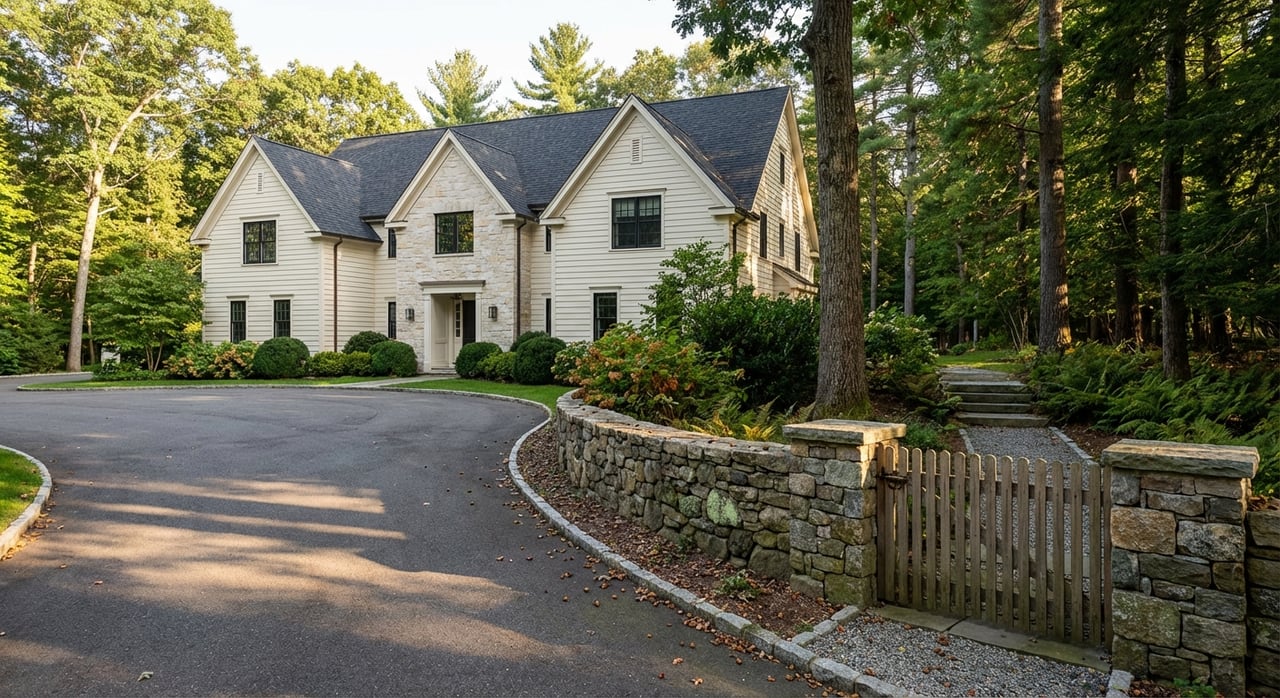
- Lot size and usability. Larger, level lots often command a premium. Unique topography or shape can impact function.
- Floodplain and wetlands. Flood zone status can require insurance and may affect financing, demand, and price.
- Septic vs municipal sewer. Septic properties should have recent records. Systems and setbacks can impact expansion plans and value.
- Historic or conservation restrictions. Limits on exterior changes can influence marketability.
Taxes, assessments, and costs
- Property taxes. Bergen County tax levels are a key part of the carrying cost calculation for many buyers. Share the current annual tax with your agent during pricing.
- Assessed value vs market value. Assessment determines taxes and may lag market shifts. Market value sets your likely sale price.
- Closing costs. Expect commissions, attorney fees, transfer taxes, and prorations. Confirm your numbers with a New Jersey real estate attorney and your agent before you list.
Documents to gather now
Having records ready speeds up your CMA, reduces surprises, and helps buyers feel confident.
- Recent property tax bill and current assessed value
- Deed and title information
- Survey or plot plan if available, or tax map parcel
- Prior MLS sheet or sale history for your property
- Permits and approvals for renovations or additions
- Utility bills and maintenance records for major systems
- HOA bylaws, fee schedule, and contact if applicable
- Septic inspection and service records or sewer hookup documents
- Warranties for roof, systems, and appliances
Smart inspections and prep
You do not have to renovate your entire home to sell well. Focus on items that remove buyer objections and boost first impressions.
- Pre-listing home inspection to flag issues you can fix or price for
- Roof inspection and HVAC service, especially if systems are older
- Termite or pest inspection if customary in your area
- Confirm municipal compliance and permits for past work
- Flood elevation certificate if your property is in a mapped flood zone
High-impact touch-ups:
- Fresh neutral paint and minor flooring repairs
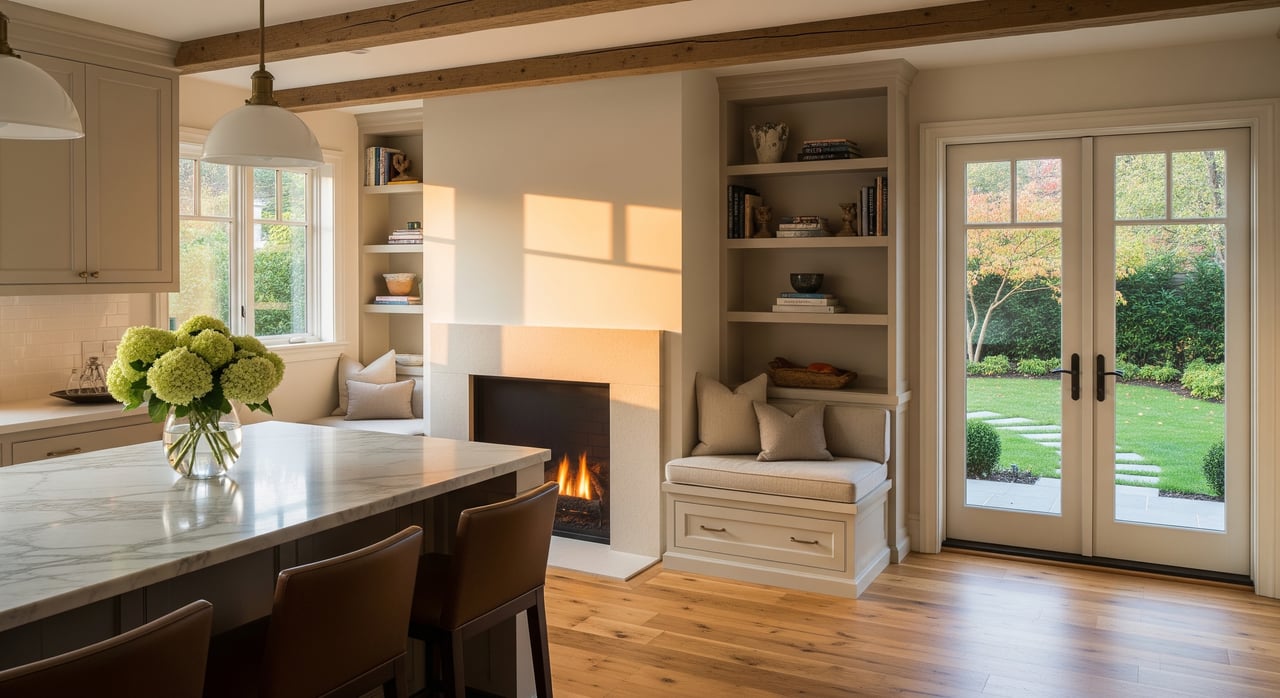
- Simple kitchen and bath refreshes like hardware, lighting, and counters
- Address roof leaks, aging mechanicals, or windows that affect appraisal or insurance
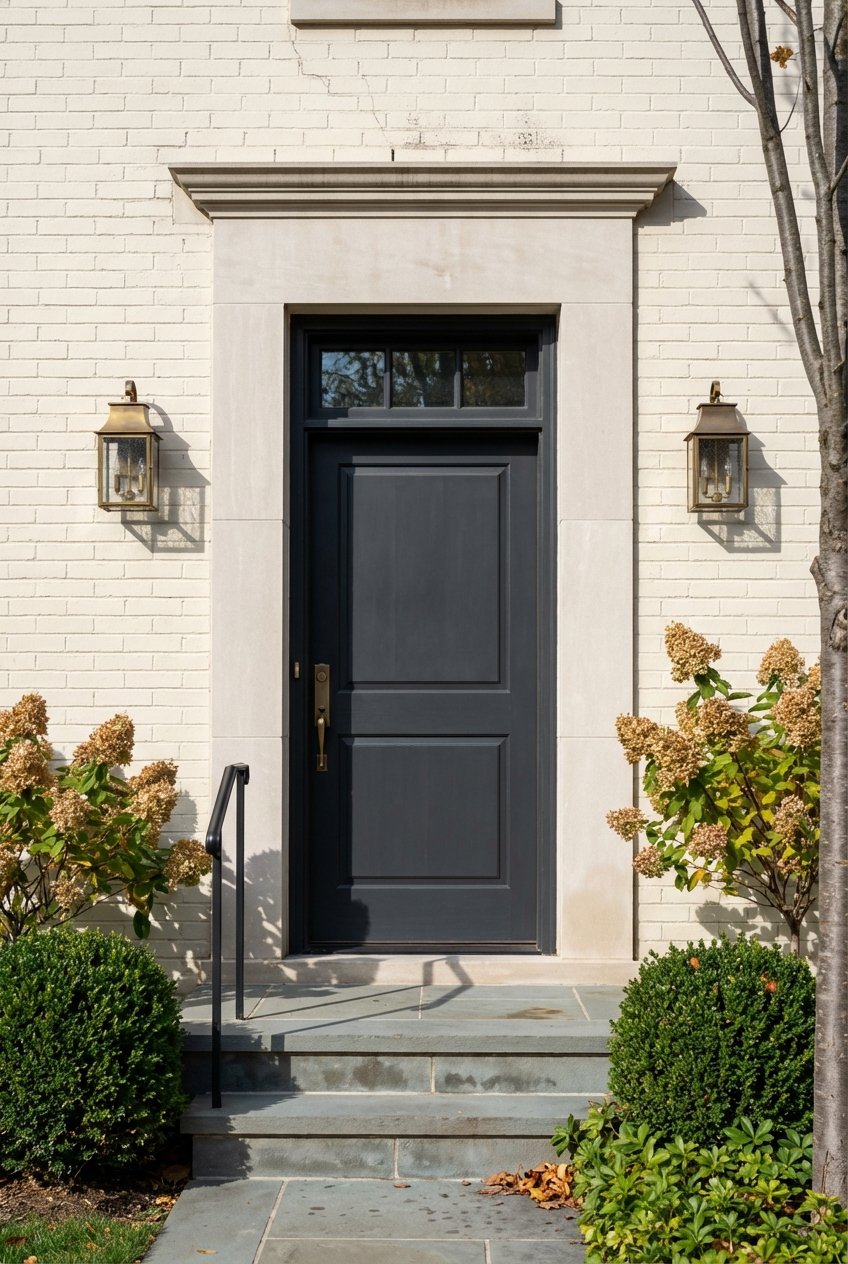
- Curb appeal upgrades such as landscaping and a clean, welcoming entry
- Declutter and stage the main living areas and the primary suite
Estimate your net proceeds
Before you set a final price, sketch your net so you know your bottom line.
- Start with your expected sale price based on the CMA
- Subtract your current mortgage payoff and any home equity lines
- Estimate commissions, attorney fees, transfer taxes, and other seller costs
- Account for prorated taxes and HOA dues if applicable
- Consider potential capital gains implications and consult a tax professional
Your agent can help you refine these figures, but your attorney and tax advisor should confirm exact amounts.
Your next steps in Wyckoff
- Gather the documents listed above and note any unpermitted work
- Review at least three recent closed sales in Wyckoff that match your home
- Request CMAs from experienced Wyckoff listing agents and compare strategies
- Consider a pre-listing appraisal if your buyer pool will rely on financing
- Schedule a pre-listing inspection to reduce renegotiations later
- Plan targeted repairs and staging that align with your price tier and timeline
Why partner with The Reitz Group
You deserve a valuation and marketing plan that match your home. As a boutique father–son team, we combine deep Bergen County expertise with Christie's International Real Estate distribution for global reach. Our approach is hands-on and market-driven:
- Local authority in Wyckoff and neighboring communities
- Premium presentation that includes professional photography, property microsites, and lifestyle storytelling
- Data-backed pricing with transparent CMAs and clear negotiation strategy
- Concierge-level guidance from preparation through closing
Ready to see what your Wyckoff home is worth today? Request your instant estimate and a custom, market-ready CMA from The Reitz Group. We will walk you through your value, the best pricing strategy, and the steps to a successful sale.
FAQs
How can I get an accurate Wyckoff value quickly?
- Request a CMA from a local agent, use online estimates only as a starting point, and consider a pre-listing appraisal for the most formal number.
How do current Wyckoff trends affect my price?
- Inventory, days on market, and sale-to-list ratios shape leverage; ask your agent for the latest MLS statistics when setting your price.
Will my assessed value match my sale price in Wyckoff?
- Not necessarily; assessed value drives your tax bill and may lag the market, while sale price reflects current buyer demand.
Do I need a pre-listing inspection before selling?
- It is not required, but it can reveal issues early so you can fix them or price accordingly, which often leads to smoother negotiations.
How does flood zone status impact value and financing?
- Homes in mapped flood zones may require flood insurance and can face lender requirements, which can influence buyer demand and price.
What should I fix before listing my Wyckoff home?
- Prioritize safety items and major systems, then focus on paint, minor repairs, curb appeal, and simple kitchen or bath refreshes that improve first impressions.