Thinking about moving to a smaller home in Wyckoff but not ready to give up your routine, friends, or favorite local spots? You are not alone. Many long-time homeowners want less upkeep and smarter layouts while staying connected to the community they love. In this guide, you will learn how to rightsize without losing your lifestyle, including realistic local housing options, New Jersey tax and timing tips, and a step-by-step plan to make your move smooth. Let’s dive in.
Why downsizing in Wyckoff makes sense
Wyckoff sits in Bergen County within the New York City metro area. It is a predominantly residential township with strong neighborhood identity, established parks, and small village-style shopping areas. If you value community ties and access to regional jobs and culture, staying local can keep your daily rhythm intact.
Many owners downsize to reduce maintenance, tap home equity, and simplify daily living. National research from groups like AARP, NAR, and the Harvard Joint Center for Housing Studies shows a clear trend toward smaller, low-maintenance homes that sit closer to services. That shift matches what local homeowners want as they plan for the next chapter.
The local market brings some realities. Wyckoff’s housing stock is mostly single-family homes, which means limited in-town options for condos or single-level living. Property taxes play a major role in monthly costs across New Jersey, and commute patterns matter if you head into NYC or regional hubs. The right move balances size, location, and costs without trading away your lifestyle.
Your local housing options
Staying in Wyckoff
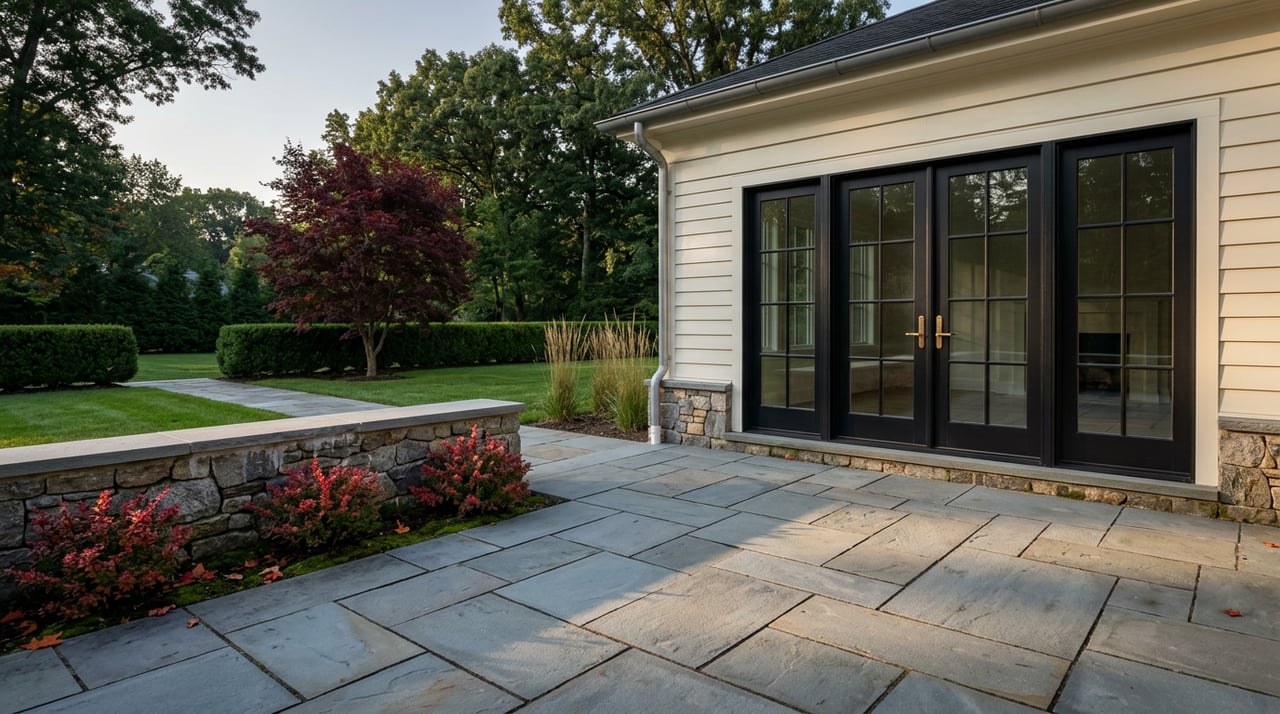
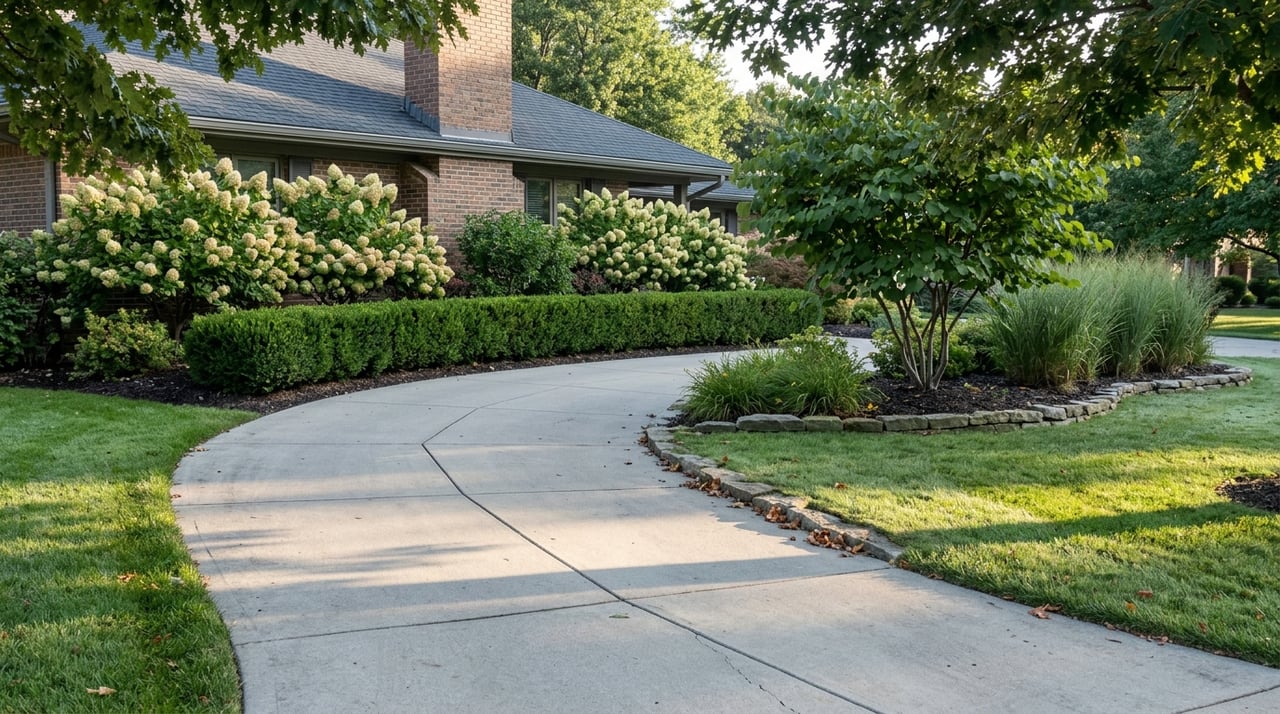
- Smaller single-family homes. Ranches, smaller colonials, or updated in-town properties can keep you close to familiar services and social ties. You keep Wyckoff’s municipal services, but inventory is limited and taxes or exterior upkeep may still be meaningful compared to attached homes.
- In-town condos when available. Inventory is limited. Condos can lighten exterior chores but carry HOA fees and rules you will want to review.
- Renovate to stay. If moving is not urgent, rework your layout for first-floor living or reduce yard maintenance. This can buy time while you explore future options.
Nearby Bergen County towns
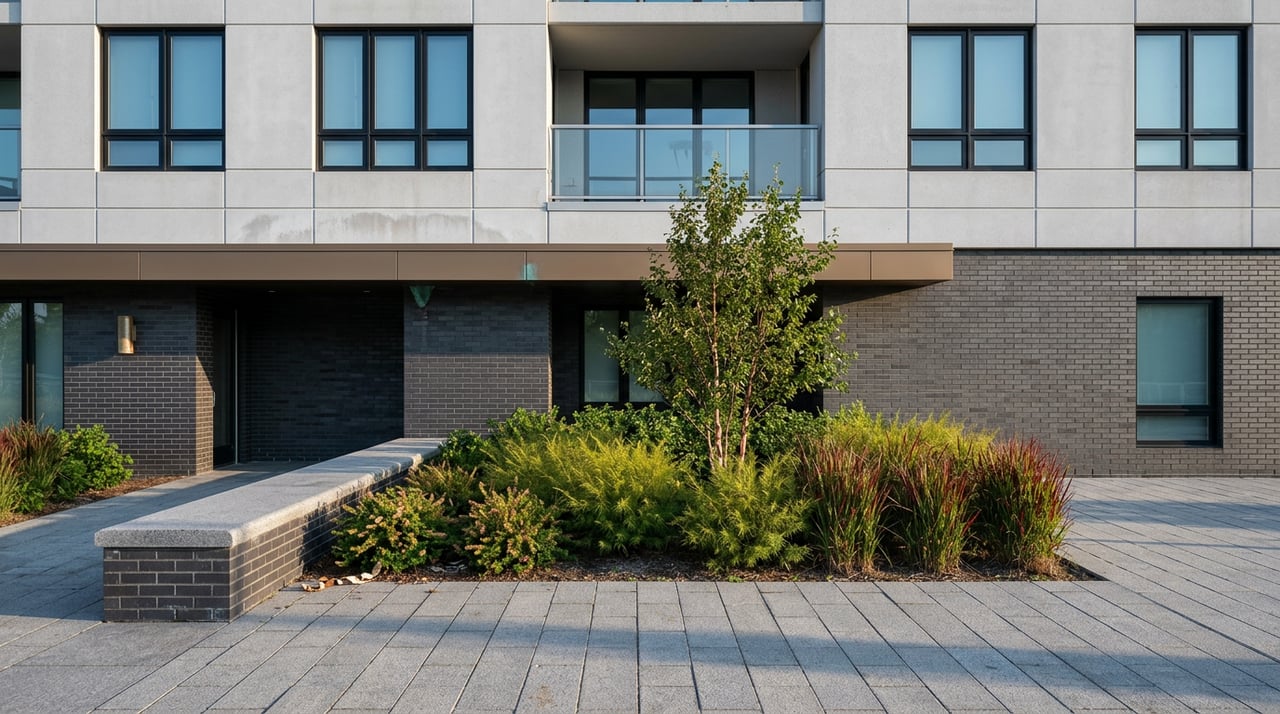
- Townhomes and condominiums. Neighboring municipalities often offer more attached homes, including single-level units or buildings with elevators. You may gain newer amenities and less upkeep, though HOA fees apply.
- Smaller single-family options. Some nearby neighborhoods offer ranches or small-lot homes. Compare municipal services, property taxes, and commute routes to ensure the location fits your routines.
Active adult and 55 plus communities
Age-restricted communities can offer social programming, fitness centers, and low-maintenance living. They usually include HOA fees, guest and rental rules, and limited inventory relative to other regions. If this lifestyle appeals to you, start touring early to understand floor plans, fees, and waitlists.
New construction vs resale
- New construction. You often get single-level living, universal design features like zero-step entries and wider doorways, and energy-efficient materials. Costs can be higher and completion timelines vary.
- Resale. You gain a defined neighborhood and quicker occupancy, sometimes at a lower price per square foot. You may need updates to add age-friendly features.
Key tradeoffs to weigh
- Maintenance vs cost. Condos and townhomes reduce exterior chores but add HOA fees. Single-family homes skip HOA dues but keep you responsible for the roof, snow, and lawn.
- Location vs size. Smaller, walkable units may sit near busier corridors or transit. Quieter homes can mean more driving for services.
- Community ties vs new amenities. Staying close preserves your existing social life. A 55 plus community may offer ready-made activities and neighbors at similar life stages.
Costs, taxes, and timing in New Jersey
Using home equity wisely
If you have built equity over decades, proceeds from a sale can fund a new purchase, renovations, or retirement needs. Plan for selling costs like preparation, brokerage, and closing fees. Ask a real estate professional and a financial planner to estimate your net proceeds and monthly costs in different scenarios.
Capital gains basics
If the home is your primary residence and you meet the ownership and use tests, the federal exclusion may allow you to exclude up to 250,000 dollars in gains if filing single or up to 500,000 dollars if married filing jointly. New Jersey generally follows federal treatment for capital gains, but confirm details with a CPA.
Realty transfer fee and closing costs
In New Jersey, sellers typically pay a state realty transfer fee as part of closing. Other costs can apply depending on the contract and local practice. A New Jersey real estate attorney or closing agent can clarify what you should expect in your budget.
Property taxes and monthly costs
New Jersey has some of the highest property taxes in the country. Moving to a smaller home does not always create a large tax drop. Assessed value, municipal rates, and HOA fees can change your total monthly spend. Compare towns carefully, and remember to include any condo or community assessments.
Senior programs to explore
New Jersey offers property tax relief options for eligible residents, including the Property Tax Reimbursement program often called Senior Freeze. Each program has income, residency, and filing requirements. Check current details with the State of New Jersey Division of Taxation.
Financing choices
- Standard mortgage. Compare rate, term, and down payment options that fit your retirement plan.
- Bridge loan. Helpful if you buy before you sell, but weigh the risks and costs.
- Home Equity Conversion Mortgage. Reverse mortgage products for homeowners 62 and older can unlock equity, but they require counseling and careful review of fees and long-term impacts.
Legal and estate planning
A move is a good time to review wills, beneficiary designations, and powers of attorney. Confirm title details for your new home and update contact info for health proxies. A New Jersey estate attorney can coordinate documents as you transition.
A practical 12 to 18 month plan
12 to 18 months out
- Define your must-haves. Proximity to friends and family, walkability to services, single-level living, and storage needs.
- Get market clarity. Ask for a comparative market analysis on your current home and target property types.
- Model the money. Meet with a CPA or financial planner to estimate net proceeds, tax exposure, and monthly cost differences including taxes and HOA fees.
- Map the inventory. Track new construction, townhome and condo developments, and ranch-style homes across nearby towns.
6 to 12 months out
- Start decluttering. Sell, donate, or store items you will not bring. Consider a professional organizer or estate-sale company for large projects.
- Prep to sell. If needed, price out light updates like paint or landscaping to boost appeal and reduce buyer objections.
- Get pre-approved. If you plan to buy first, secure pre-approval and discuss timing strategies.
- Tour smart. Visit communities at different times of day to check noise, traffic, sunlight, and parking.
3 to 6 months out
- Finalize your approach. If selling first, plan staging, photography, and showing windows. If buying first, negotiate terms that reflect the timing of your sale.
- Choose movers. Request binding estimates and confirm insurance.
- Space plan your next home. Measure rooms, plan furniture, and organize storage before move day.
1 month out
- Confirm the calendar. Lock in the moving date, transfer utilities, and schedule cleaning.
- Update essentials. Change your address, set up mail forwarding, and transfer prescriptions.
- Pack an essentials box. Include key documents, medications, chargers, a few days of clothing, and basic kitchen items.
Move day and the first 90 days
- Settle key spaces first. Bedroom, bathroom, and kitchen should be functional by the first night.
- Rebuild your rhythm. Attend township events, connect with clubs, and re-establish your routines.
- Fine-tune accessibility. Add grab bars, lighting, or low-threshold solutions as needed.
Rightsizing the features that matter
Accessibility and aging in place
- Single-level living or a first-floor primary suite that keeps daily life on one floor.
- Zero-step entries, wider doorways and halls, and no-step showers.
- Primary suite near the kitchen and bathroom for easy access.
- Space to host occasional guests or a caregiver when needed.
Maintenance and ownership model
- Review what an HOA covers. Roofing, snow, lawn, and exterior paint may be included, which reduces chores but adds dues.
- Prefer low-maintenance materials. Composite decking, engineered siding, and smaller outdoor areas cut upkeep.
Location and social life
- Keep your hubs close. Aim for short drives or safe walks to groceries, pharmacies, libraries, coffee shops, and civic centers.
- Consider transit and healthcare. Proximity to train, bus, parking, and medical providers can simplify daily logistics.
Layout and storage that work
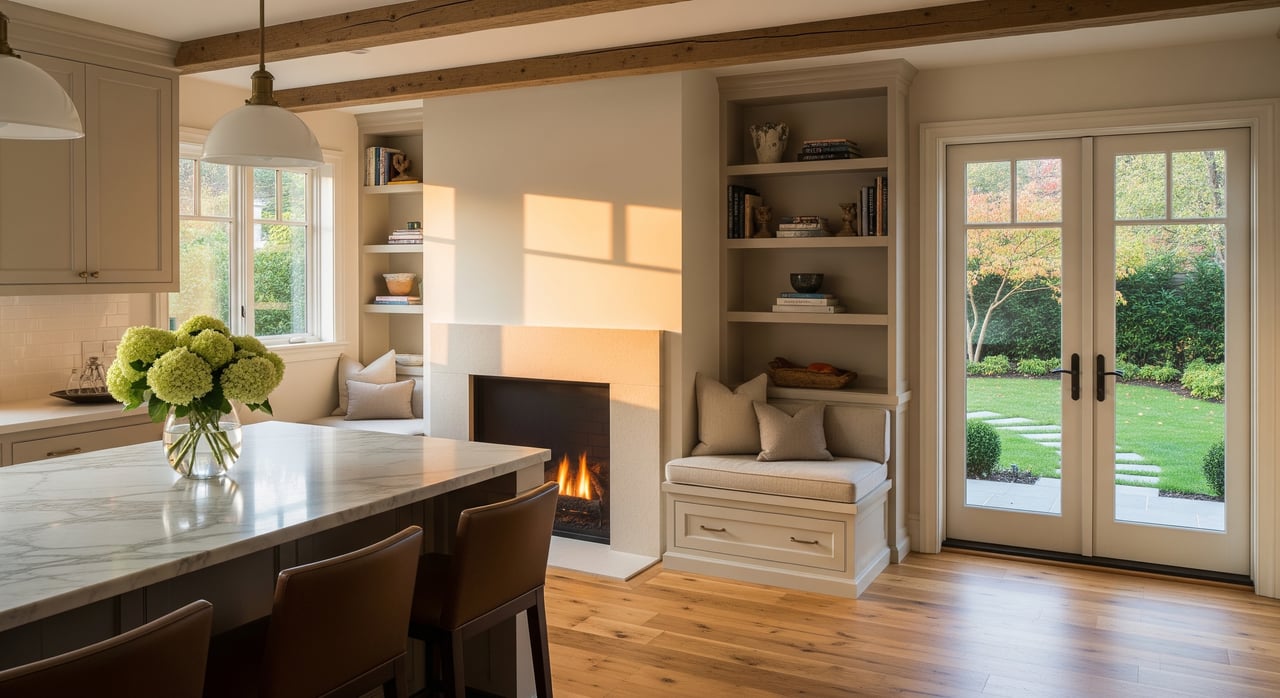
- Open-plan living. It helps smaller spaces feel larger and supports easy entertaining.
- Smart storage. Built-ins, organized closets, and assigned storage units help keep clutter in check.
- A true flex room. A den or office that doubles as a guest room or hobby space keeps your lifestyle intact.
Safety and security
- Good lighting, solid entry hardware, and tested smoke and CO detectors.
- In multifamily buildings, review elevator reliability, security systems, and management responsiveness.
Amenities that fit your routine
- If you enjoy group activity, look for community rooms, fitness centers, trails, and organized events.
- If you value privacy, consider smaller developments or single-family ranch options on low-traffic streets.
Keep your community ties
Downsizing near Wyckoff lets you stay engaged with the places and people that matter. Keep your favorite routines, from weekly coffees to township programs. With the right floor plan and location, you can lower maintenance and still enjoy the same daily comforts.
How The Reitz Group supports your move
You deserve a plan that preserves your lifestyle and protects your equity. As a boutique father–son team with deep Bergen County expertise and Christie's International Real Estate reach, we combine local insight with premium marketing and attentive service. We provide listing and buyer representation, rental assistance when you need a short-term bridge, and technology tools like instant valuation and IDX search to simplify decisions.
Here is how we help you rightsize with confidence:
- Strategy first. We help you clarify must-haves and nice-to-haves, then map options across Wyckoff and nearby Bergen County towns.
- Market precision. We prepare a comparative market analysis for your current home and target property types so you understand value, inventory, and timing.
- Polished presentation. Our marketing-first approach includes professional photography and lifestyle storytelling that highlight what buyers value most.
- Smooth execution. We coordinate showings, feedback, negotiation, and closing details so you can focus on your next chapter.
If you are ready to explore your options, reach out to schedule a conversation and request your instant valuation with The Reitz Group. We would be honored to guide your move.
FAQs
What are realistic downsizing options in Wyckoff and nearby Bergen County?
- Smaller single-family homes within Wyckoff, limited in-town condos, townhomes or condos in nearby municipalities, and select 55 plus communities with varying amenities and HOA fees.
How do New Jersey property taxes affect downsizing costs?
- New Jersey taxes are among the highest in the U.S., so a smaller home may not always deliver a large tax drop, and you should compare assessed values, municipal rates, and any HOA fees when modeling monthly costs.
What is the federal home sale capital gains exclusion for a primary residence?
- If you meet ownership and use tests, you may exclude up to 250,000 dollars of gain if single or 500,000 dollars if married filing jointly, and you should confirm specifics with a CPA.
Are 55 plus communities common around Wyckoff?
- Bergen County has options but inventory is more limited than in some regions, so you should start early, tour a range of developments, and review HOA rules and fees.
When should I start planning a downsizing move in Wyckoff?
- Begin 12 to 18 months in advance to clarify goals, model finances and taxes, track inventory, and prepare your current home for market while you tour target communities.
What should I know about HOA fees for townhomes and condos in Bergen County?
- HOA fees can shift exterior maintenance to the association but vary by community, and you should review what is covered, any assessments, and how dues fit your monthly budget.