If your ideal day starts with a walk to the PATH instead of a search for parking, Jersey City deserves a close look. For many buyers, the appeal is simple: you want a home that supports an easier commute, more flexible mobility, and a lifestyle that does not depend on getting behind the wheel. In Jersey City, especially along the waterfront and near key transit hubs, that goal is realistic. Let’s dive in.
Why Jersey City Works Without a Car
Jersey City stands out as one of the stronger car-free or car-light options in the region. The city says close to 50% of residents commute by public transit, and local transportation investments continue to expand beyond rail alone. That matters if you are weighing daily convenience, not just map distance.
Today, the city’s mobility network includes PATH service, ferry routes, a broad bike-share footprint, protected bike lanes, secure bike parking, pedestrian plazas, and on-demand microtransit. Together, those pieces make it possible to handle commuting, errands, and social plans without relying on a car for every trip.
PATH Is the Backbone
For many buyers, PATH is the deciding factor. It is the primary rail connection between Jersey City, Manhattan, and Newark, and January 2026 ridership figures show just how central it is to daily life in the city.
The busiest Jersey City PATH stations that month were:
- Journal Square: 544,196 riders
- Grove Street: 407,791 riders
- Exchange Place: 299,917 riders
- Newport: 262,249 riders
PATH single-ride fare is $3.25 effective May 3, 2026. If your routine includes Lower Manhattan or Newark, living near one of these stations can make your home choice feel much more practical day to day.
Waterfront Living With Multiple Transit Options
If you want the most seamless car-free setup, the waterfront core is often the strongest fit. Areas like Paulus Hook, Exchange Place, and Newport combine rail, ferry, and walkable residential density in a way few nearby markets can match.
Paulus Hook terminal on the Hudson River Waterfront Walkway offers ferry service to Pier 11/Wall St., Brookfield Place, and Midtown/W. 39th St. It also connects conveniently to Exchange Place PATH and the Exchange Place light rail station. For buyers who want more than one Manhattan route, that flexibility can be a real advantage.
Liberty Harbor/Marin Blvd. adds another ferry option, with service to Pier 11 and transfer opportunities to Brookfield Place or Midtown/W. 39th St. In practical terms, the waterfront gives you more ways to adapt if your work schedule, destination, or preferred commute changes.
Downtown Jersey City Feels Different
Not every car-light neighborhood in Jersey City looks like a glass tower on the water. Downtown’s historic core offers a different kind of experience, one that often feels more residential, more intimate, and more tied to the city’s architectural history.
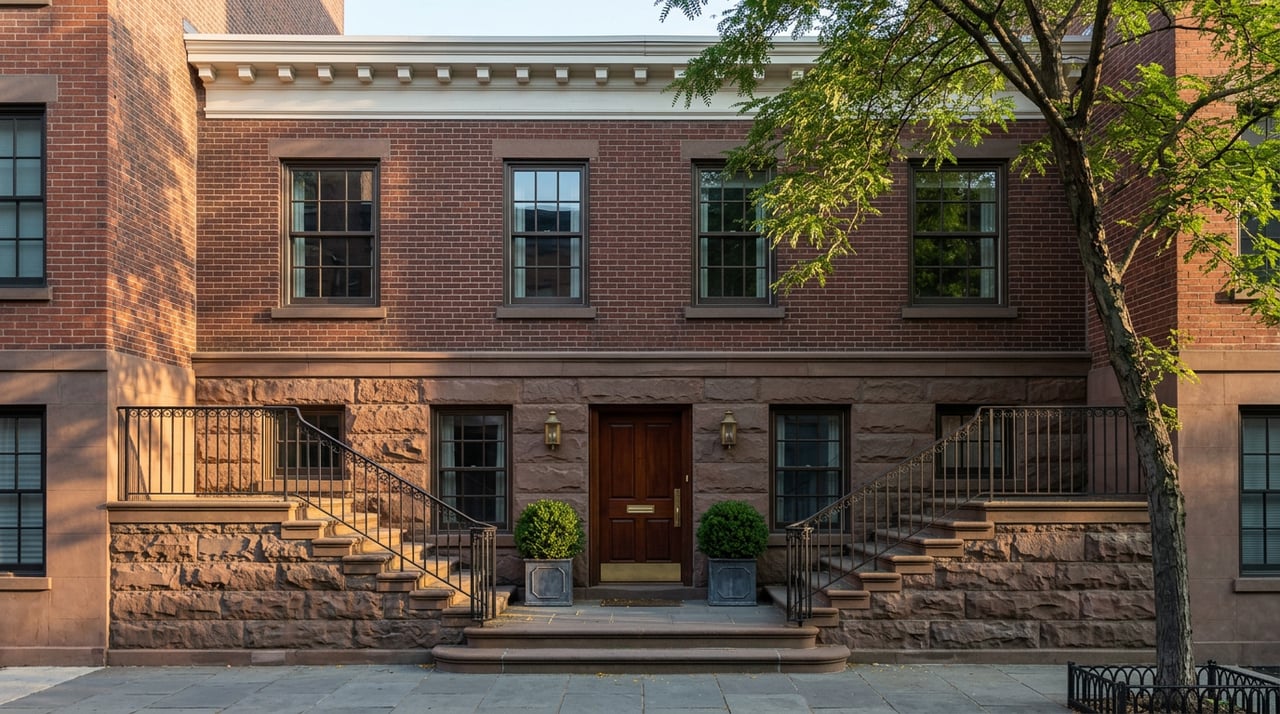
Jersey City identifies Hamilton Park, Harsimus Cove, Paulus Hook, and Van Vorst Park as local historic districts. Preservation guidance describes these areas through their 19th-century row houses, with early Greek Revival row houses especially prevalent in Paulus Hook and many residential buildings dating from 1850 to 1870.
This part of the city can appeal to buyers who want a walkable setting without the feel of a purely high-rise environment. Nearby, Newark Avenue includes a pedestrian mall between Grove Street and Erie Street, and the city has studied Grove Street as a pedestrian plaza for outdoor dining and public gatherings.
Journal Square Expands Your Options
If your budget, style, or priorities point beyond the waterfront, Journal Square deserves serious attention. It is not simply an alternative to downtown. It is a major transit-oriented district with long-term planning that supports denser housing, lower parking ratios, bicycle amenities, and better pedestrian access near PATH.
The Journal Square 2060 plan specifically calls for higher-density housing within walking distance of transit. It also reflects a mix of building types, including detached two-family homes, 4- to 6-story apartment buildings, offices, and commercial uses. That variety can be appealing if you want more choices in layout, building style, or price point while still keeping transit central to your search.
Protected bike lanes on Bergen Avenue and Montgomery Street are also helping extend lower-stress biking toward McGinley Square. For buyers who want a car-light routine rather than a waterfront address at all costs, this part of Jersey City can offer a compelling balance.
Biking Is More Practical Than Many Buyers Expect
A car-free lifestyle works better when short trips feel easy. In Jersey City, bike infrastructure has become a more meaningful part of that equation.
Citi Bike reports 100-plus stations across Jersey City and Hoboken, while the city says it has more than 50 Citi Bike stations in Jersey City along with nearly 20 miles of protected bike lanes built since 2019. Protected or planned facilities include corridors such as Grove Street, Grand Street, Bergen Avenue, Montgomery Street, Washington Street, and Greene Street.
The city also offers free secure bike parking at major hubs, including Journal Square, Grove Street, Newport, Exchange Place, and McGinley Square. E-bike battery swapping is available at McGinley Square and Washington & Montgomery. For buyers who want to combine train trips with biking, those details make a real difference.
What Homes Best Fit Car-Free Living
The right home for a car-light routine is not just about the neighborhood. It is also about the building itself and how well it supports everyday movement.
In Jersey City, the strongest fit often includes:
- High-rise condos near PATH or ferry stops
- Mixed-use towers with easy access to transit
- Rowhouses and brownstones in historic downtown districts
- Newer mid-rise multifamily buildings near Journal Square or Grove Street
This lines up with the city’s broader development pattern, which promotes transit-oriented growth, walking access to stations, lower parking ratios, and bicycle amenities near major mobility hubs.
At the building level, a few features tend to matter most:
- Bike storage
- Elevator access
- Package handling
- Quick access to PATH, ferry service, or secure bike parking
If you are comparing condos or multifamily buildings, these details can shape your daily quality of life as much as square footage or finishes.
Waterfront Development Supports the Lifestyle
The waterfront’s appeal is not only transit access. It also reflects the scale and design of the housing stock in the area.
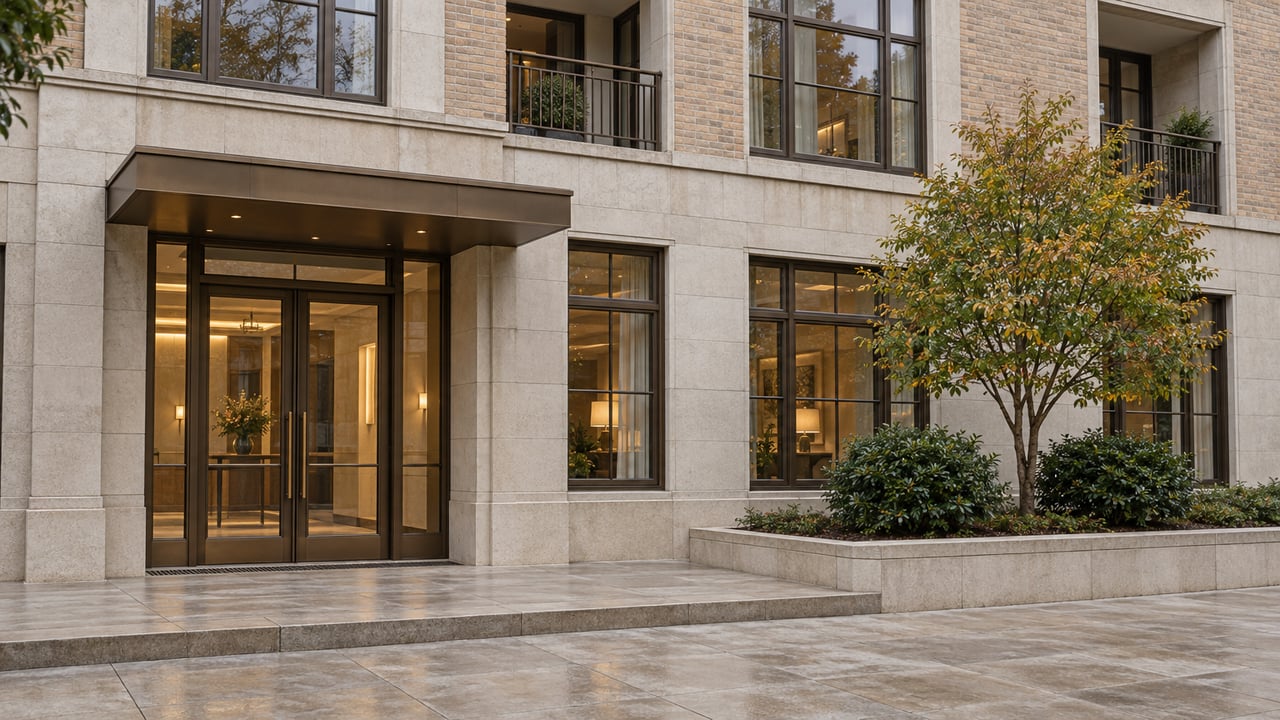
Open-data records show a 50-story mixed-use development with 800 residential units at 20 Columbus Drive in Exchange Place. In Newport, records identify a riverfront project at 150 River Drive with three multifamily towers, retail, and open space. These large mixed-use environments can support a more convenient routine because residential density, commercial uses, and transportation options are clustered together.
For buyers who prioritize skyline views, a polished condo lifestyle, and strong Manhattan connectivity, this pattern is a major part of the draw.
Practical Limits to Know Before You Buy
Car-free living in Jersey City is real, but it is not identical in every neighborhood or building. The biggest mistake buyers make is assuming every waterfront or near-water location offers the same level of flexibility.
Port Liberté is a good example. It has weekday commuter ferry service to Pier 11, and Via JC can help riders get to and from the terminal for free. But the terminal does not have bus or rail connections, and parking is limited.
That does not make the area a poor choice. It simply means the lifestyle is more commuter-specific and less all-purpose than what you may find near Exchange Place, Grove Street, or Newport. Some ferry routes are also commuter-focused rather than all-day transit, so route details matter.
How to Evaluate a Car-Light Home Search
If you are shopping with a car-free or low-car goal, it helps to look beyond the listing headline. A building may advertise itself as near transit, but your real experience depends on the specific mix of options around it.
As you compare homes, focus on:
- Walking distance to PATH or ferry service
- Whether ferry service runs throughout the day or mainly at commuter hours
- Access to protected bike lanes nearby
- Availability of secure bike parking
- The ease of getting groceries, packages, and daily errands done on foot
- Whether the neighborhood supports your routine beyond the work commute
This is where local guidance can add real value. The best fit is not always the newest tower or the closest pin on the map. It is the home that matches how you actually plan to live.
Jersey City Buyers Have Real Choices
For buyers who want to reduce or eliminate car dependence, Jersey City offers genuine range. The waterfront delivers the highest concentration of transit choices. Downtown historic districts offer a more residential streetscape with strong walkability. Journal Square opens the door to transit-oriented living beyond the waterfront core.
If your priorities include commute efficiency, lifestyle flexibility, and a home that supports everyday movement without the burden of constant driving, Jersey City has several neighborhoods worth exploring closely. The key is choosing the right location and building for the routine you want, not just the address that looks best on paper.
If you are weighing Jersey City waterfront condos, downtown rowhouses, or commuter-friendly options beyond the core, The Reitz Group can help you compare neighborhoods, building styles, and transit access with a clear strategy tailored to your goals.
FAQs
Is Jersey City a good place for car-free living?
- Yes. Jersey City says close to 50% of residents commute by public transit, and the city offers PATH service, ferry routes, Citi Bike stations, protected bike lanes, secure bike parking, pedestrian improvements, and on-demand microtransit.
Which Jersey City neighborhoods are best for living without a car?
- Paulus Hook, Exchange Place, Newport, parts of downtown near Grove Street, and Journal Square are among the strongest options because they offer the best mix of transit access, walkability, and bike infrastructure.
Is the Jersey City waterfront better than Journal Square for commuters?
- The waterfront usually offers the highest concentration of transit options because it combines PATH and ferry access. Journal Square remains a strong transit-oriented choice, especially for buyers focused on PATH access and a wider range of building types.
What home types work best for car-light living in Jersey City?
- High-rise condos, mixed-use towers near transit, historic rowhouses and brownstones downtown, and newer mid-rise multifamily buildings near Journal Square or Grove Street often fit this lifestyle best.
Can you rely on biking in Jersey City for everyday trips?
- In many parts of the city, yes. Jersey City says it has more than 50 Citi Bike stations, nearly 20 miles of protected bike lanes built since 2019, and free secure bike parking at several major transit hubs.
Does every Jersey City waterfront neighborhood support a car-free lifestyle equally well?
- No. Some areas are easier than others. For example, Port Liberté has weekday commuter ferry service and Via JC support, but the terminal has no bus or rail connections, so it may be less flexible for everyday non-commute trips.